
Springboard Inspection & Maintenance Guide
Springboards are high-use, high-impact pieces of equipment. Because they absorb repeated force and directly affect takeoff timing, rebound, and athlete confidence, they should be checked regularly for surface wear, loose hardware, spring condition, foot pad stability, and overall performance.
Equipment ID System
Label each sprigboard with a unique identifier so it can be tracked consistently on monthly maintenance logs.
Example:
SB-01 = Springboard 1
SB-02 = Springboard 2
SB-03 = Springboard 3
Track for each board:
-
Brand / manufacturer
-
Model name
-
Model number, if known
-
Surface type: Carpet, TAC/10, or other
-
Number of springs / coil configuration
-
Date purchased
- Purchase Price
-
Last recovery date
-
Last inspection date
-
Current condition
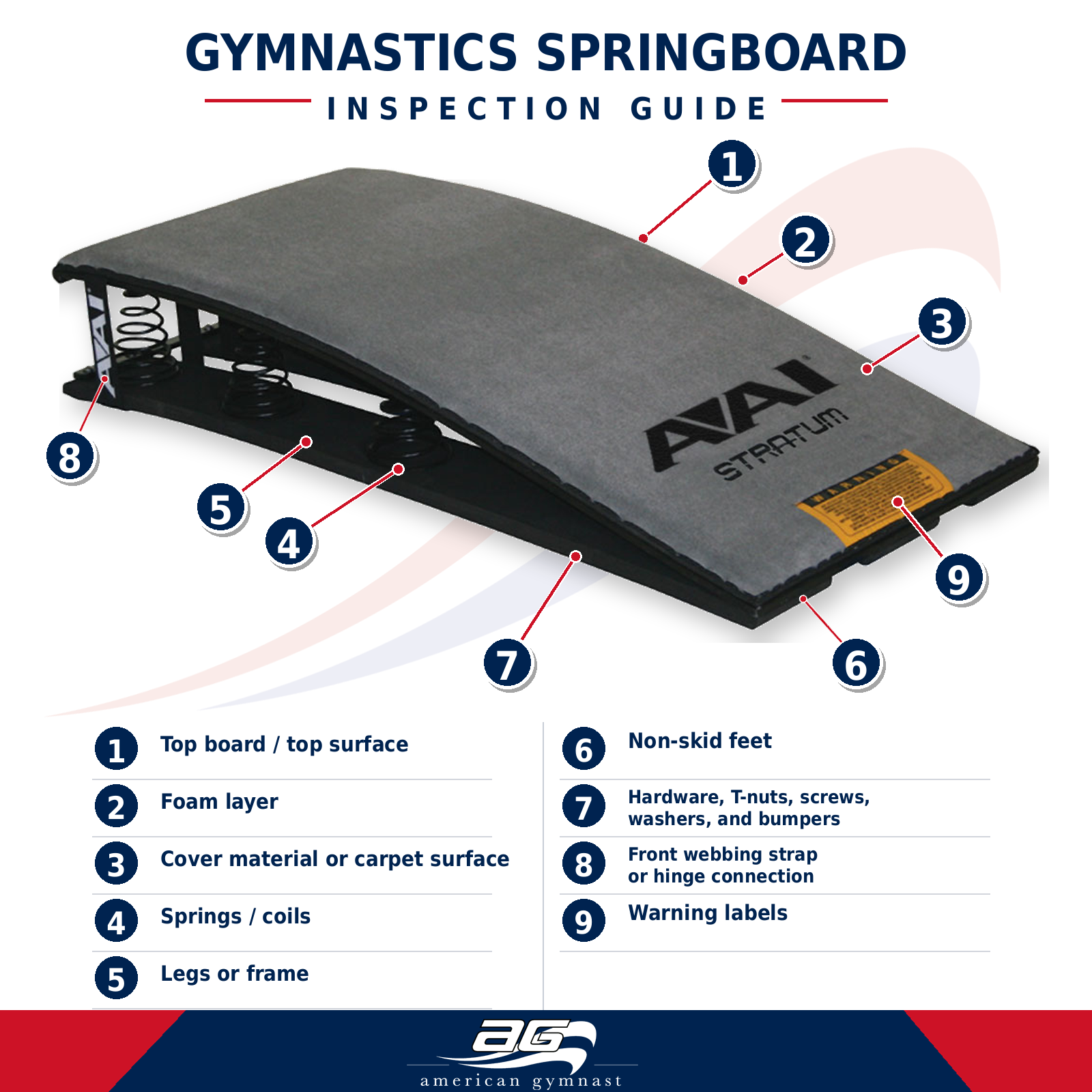
Springboard Components to Inspect
1. Top Board / Surface Inspection
The top board of the springboard should be examined for any signs of cracks and/or chipping. Look at the edges of the top board for any signs of significant chipping or cracks. Since the top of the board is covered with foam and carpet, you will need to examine the underside of the top board for any signs of cracking.
🔍Inspect for
- Cracks
- Chipping
- Uneven surface
- Wrinkles or bubbling on the top surface which may indicate a cracked top board
- Foam compression or dead spots
2. Foam Layer Inspection
Foam plays a major role in comfort, rebound consistency, and protection of the top panel.
🔍Inspect for
- Permanent compression
- Soft spots
- Hard spots
- Cracking or crumbling
- Separation from the board
- Foam overlap or edge deformation
3. Cover & Carpet Inspection
Different boards use different cover systems:
- Stratum boards may use carpet over foam.
- TAC/10 / ZiO boards use a tacky micro-fiber type surface.
- Some boards may use LZT-style surfaces depending on model and age.
🔍Inspect for
- Surface wear
- Tearing
- Loss of traction
- Separation from the top board
- Loose staples or exposed staples
- Edge trim damage
- Missing warning label
4. Spring & Coil Inspection
Springs are the performance engine of the board. A weak, missing, damaged, or incorrectly configured coil pattern can significantly affect board behavior.
🔍Inspect for
- Missing coils
- Shifted coils
- Cracked or broken springs
- Bent or distorted springs
- Rust or corrosion
- Springs not seated properly
- Inconsistent spring position
- Incorrect coil configuration (it should be one of the following below)
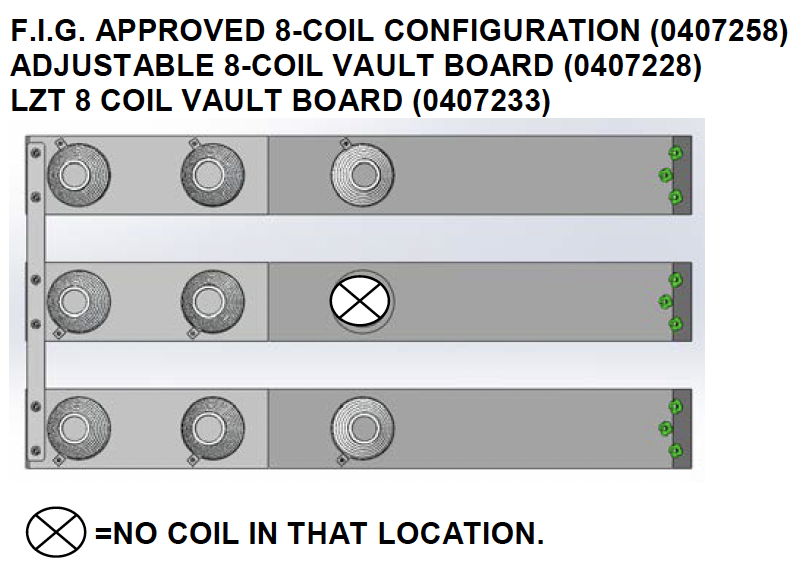
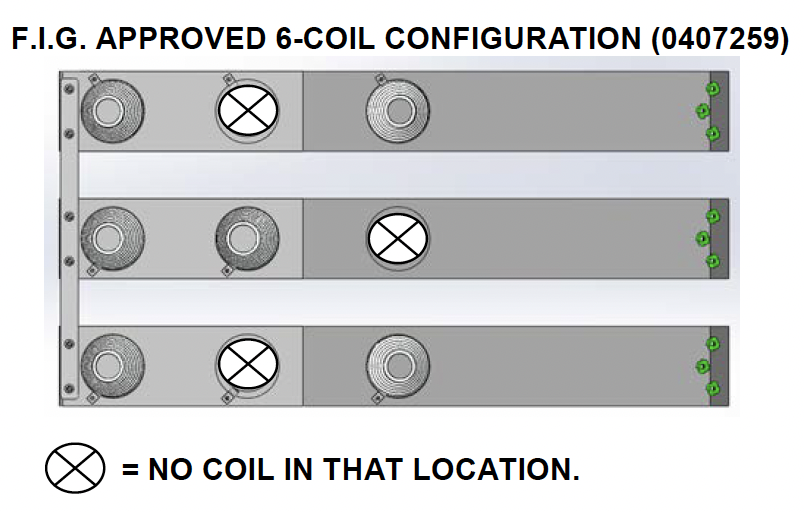
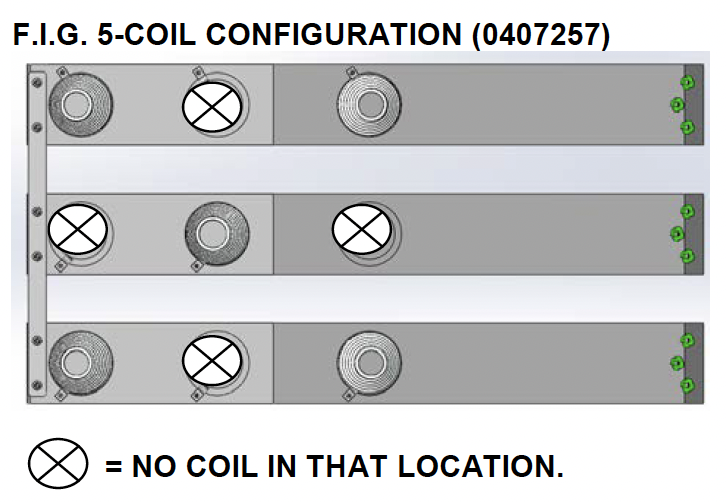
5. Legs & Frame Inspection
Springboard legs support the board’s rebound and stability.
🔍Inspect for
- Cracks in wood or composite legs
- Loose laminated sections
- Warping
- Broken routing areas where springs seat
- Rust or corrosion on metal support areas
- Movement between the top and bottom of the board
6. Non-Skid Feet Inspection
The feet help prevent board movement during the approach and takeoff.
🔍Inspect for
- Missing rubber feet
- Cracked or hardened rubber
- Uneven wear
- Loose attachment
- Dirt, dust, or chalk buildup
7. Hardware, Washers, T-Nuts & Bumpers
Springboards rely on internal hardware to secure the surface, springs, and bumpers.
🔍Inspect for:
- Loose fasteners
- Missing washers
- Worn bumpers
- Damaged T-nuts
- Exposed hardware
- Misaligned bolts
- Elongated holes
Washer Kit Notes
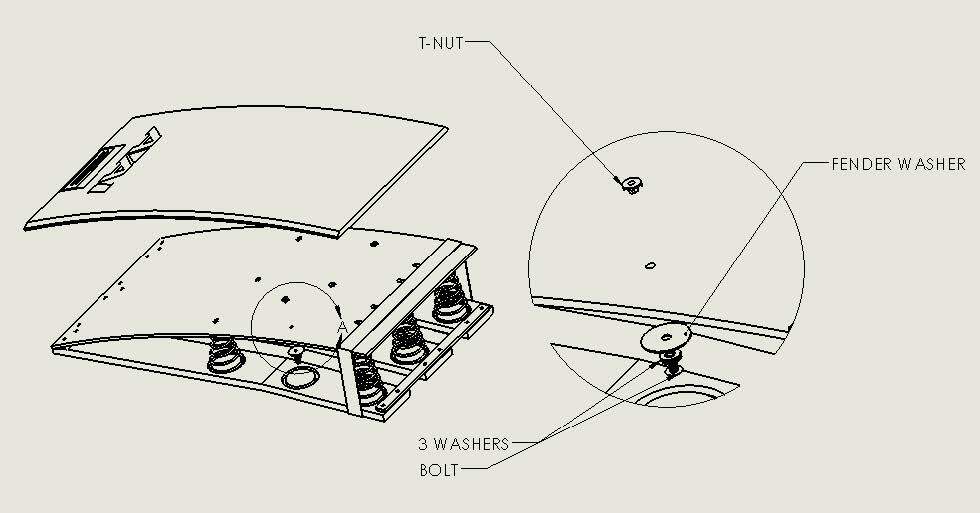 Installing the AAI washer kit involves removal of the cover and foam, so it is recommended to be performed in conjunction with a springboard recovery.
8. Front Webbing Strap / Hinge Area
Many vault boards include a front connection strap that helps control top-board movement.
The AAI Stratum and ZiO specifications state that the moving top surface is connected to the legs at the front using a heavy nylon webbing strap secured to both the top surface and the legs.
🔍Inspect for:
- Fraying
- Tears
- Loose attachment
- Missing fasteners
- Excessive stretch
- Uneven front-board movement
For high-use gyms, springboards should be looked over before each training session, especially if multiple age groups or competitive teams are using the same boards.
9. Warning Label
The warning label should always be in-tact and visible on the equipmennt. If it has been removed or worn off, please order and install a replacement.
When to Remove a Springboard from Use
🔍Remove the springboard from use if any of the following are found:
Remove the springboard from use if any of the following are found:
-
Broken or missing springs
-
Loose or missing hardware
-
Board slides during use
-
Cracked legs or frame components
-
Top surface moves independently from the board
-
Cover creates a slipping hazard
-
Foam is severely compressed
-
Front strap is torn or detached
-
Board makes unusual sounds during use
-
Any visible damage affects performance or safety
Replacement Parts
Everything you need to keep your springboard in service.
Schedule an American Gymnast Gym Assessment
American Gymnast recommends scheduling a professional Gym Assessment at least once per year. Between professional assessments, gym owners, managers, and coaches should monitor equipment regularly and keep a written record of equipment condition.